INTERNATIONAL FAMILY SAFETY GUIDE
How International Families Should Evaluate Youth Off-Road Programme Safety
A practical guide to vehicle fit, protective equipment, coaching, progression, terrain, weather, communication and emergency planning for youth off-road programmes.
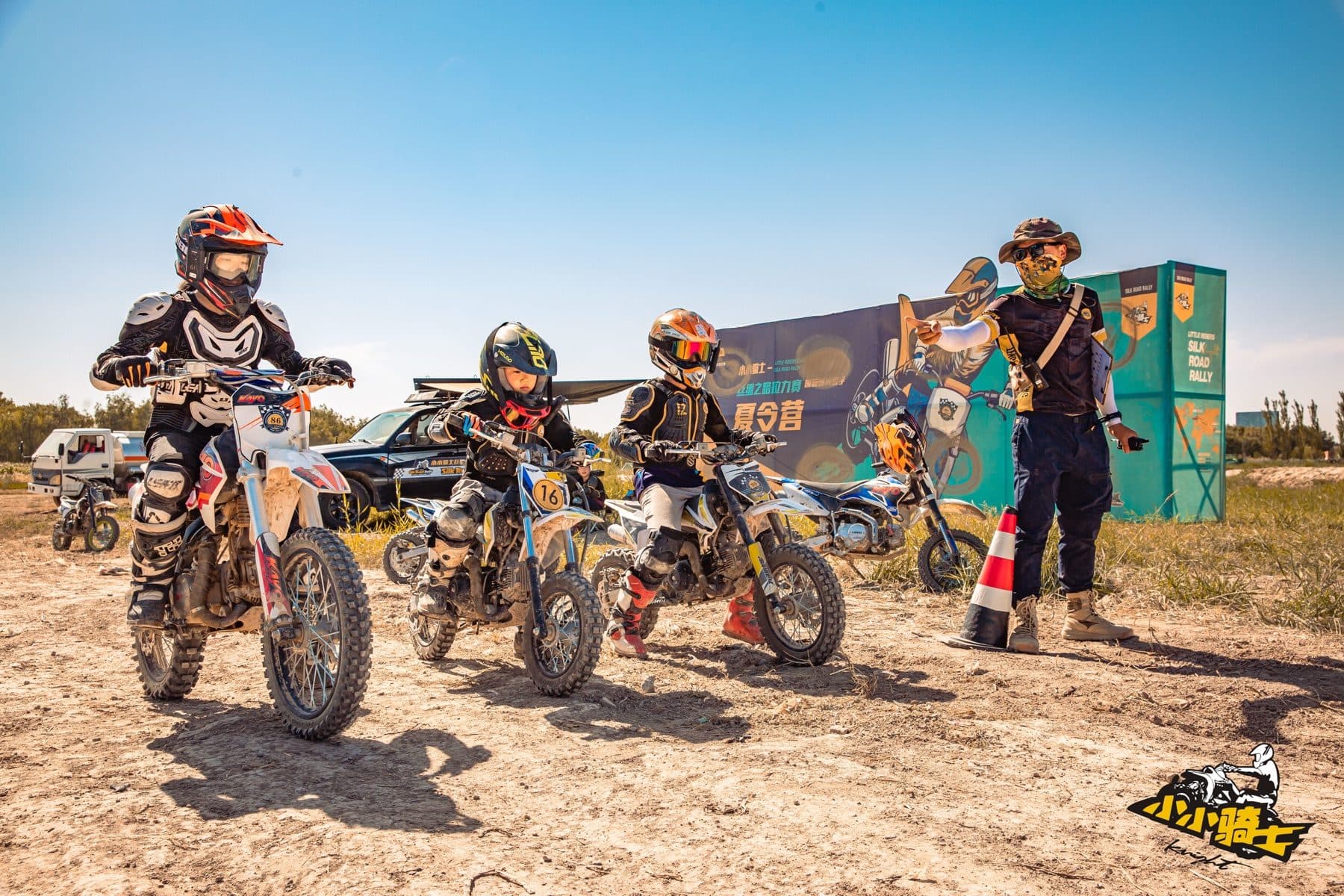
Begin with evidence, not a safety slogan
No single badge, helmet standard or use of the word ‘international’ proves that an entire programme is safe. A credible operator should be able to explain who is responsible, what is checked, what is recorded and which conditions cause a task to be changed or stopped.
Off-road learning cannot be made risk-free. The useful question is whether foreseeable risk is being reduced through a current, connected system—and whether the operator is honest about what has not yet been verified.
Which law and rules apply where the programme operates?
Start with the law, applicable standards, venue rules and permissions in the place where the activity actually takes place. Manufacturer instructions and the written operating plan for that edition also matter. A rule from another country may be useful guidance, but it does not automatically govern the programme.
Ask for current information. A historic photograph, an old itinerary or a previous edition’s staffing cannot prove the people, vehicles, route, insurance or medical arrangements for a new edition.
Child–vehicle fit comes before a simple age or engine-size label
Families should ask how an operator checks whether a child can reach and control the essential controls, maintain an appropriate position, understand instructions and demonstrate the prerequisite skills before moving to a harder task.
The vehicle itself needs a traceable inspection and maintenance process. A machine with a fault should be isolated, not returned to the group because the schedule is under pressure.
Protective equipment: standard, purpose, fit and condition
A product label is only the beginning. Helmet, eye protection, body armour, gloves, boots and other equipment need to be appropriate for the activity, correctly fitted, in serviceable condition and replaced when their condition or instructions require it.
Protective equipment can reduce harm; it cannot compensate for a vehicle that does not fit, a route beyond the learner’s level, poor supervision or a missing evacuation plan.
Coaching, supervision and progressive learning
Ask who leads instruction, who supports the group, who leads and sweeps a route, and who remains responsible for the other children if one participant needs individual attention. A fixed ratio alone does not answer those questions.
Progression should be observable: orientation and low-speed control before more complex terrain, with an explicit ability to remain at the current level or step down. Speed and difficulty are not reliable measures of learning quality.
The child must be able to slow down, rest or stop
Before the task begins, a child should know how to report pain, fear, fatigue, an equipment problem or an instruction they do not understand. Families should ask what the adult response will be and whether stopping is treated as information rather than failure.
The right to stop does not remove discipline. It makes observation, communication and responsible judgment part of the curriculum. Adults must also retain authority to stop the activity when the safety margin is no longer adequate.
Terrain, weather, communication and stop decisions
A route plan should identify permission, reconnaissance, hazards, alternatives, exit points and recovery options. Weather and visibility need monitored thresholds that can actually change the plan. Yesterday’s route approval is not an automatic approval for today.
The communication plan should explain coverage, blind spots, lead and sweep roles, regrouping, head counts and what happens after a missed check-in. A personal mobile phone is not always a complete field communication system.
Emergency response must reach medical handover and evacuation
First-aid equipment is one component. The current written plan should also identify who stops the activity, assesses the participant, supervises the remaining children, contacts the guardian, guides emergency services and maintains communication during transfer.
Do not rely on an unverified promise about hospital distance or response time. Ask which medical point, access route and transfer arrangement apply to the actual venue and date.
Extra questions for families travelling across borders
International families also need clear answers about operating language, consent, necessary health information, insurance territory and exclusions, payment and refund terms, guardian responsibilities, privacy, transport and medical transfer. Do not send a child’s sensitive documents through a general enquiry channel unless they are necessary and the handling process is clear.
A waitlist, website translation or international enquiry form is not evidence that an English-language programme, visa service, insurance cover or international transfer has been confirmed.
A pre-enrolment checklist
Before paying or travelling, ask for edition-specific answers rather than a general safety promise. A responsible programme should be able to state its limits as clearly as its ambitions.
- How is child readiness and vehicle fit assessed?
- Who holds each coaching, support, communication and medical role?
- How are vehicles and protective equipment checked and isolated?
- What progression, rest, step-down and stop options exist?
- Which route, weather and communication conditions change the plan?
- How does emergency response reach guardian notification and medical handover?
- Which insurance, consent, language and privacy terms apply to this edition?
How to use international guidance
Sources such as the CPSC, CDC and the US National Weather Service are cited as comparative safety guidance. They do not constitute Chinese law or a universal operating standard, and they do not replace the law, venue rules, manufacturer instructions or current written plan applicable where a programme operates.